

World Cuisine Pairings That Pop Off the culinary world is an ever-expanding tapestry of flavors, textures, and aromas. While individual dishes often steal the spotlight, it’s the bold, unexpected pairings that truly create magic. Global cuisines brim with combinations that defy logic but explode with synergy. From street food stalls in Southeast Asia to Michelin-starred tables in Europe, the art of pairing is a universal language of innovation. In this vibrant landscape, popping flavor pairings are the fireworks that light up the palate.
The Sweet Meets the Savory
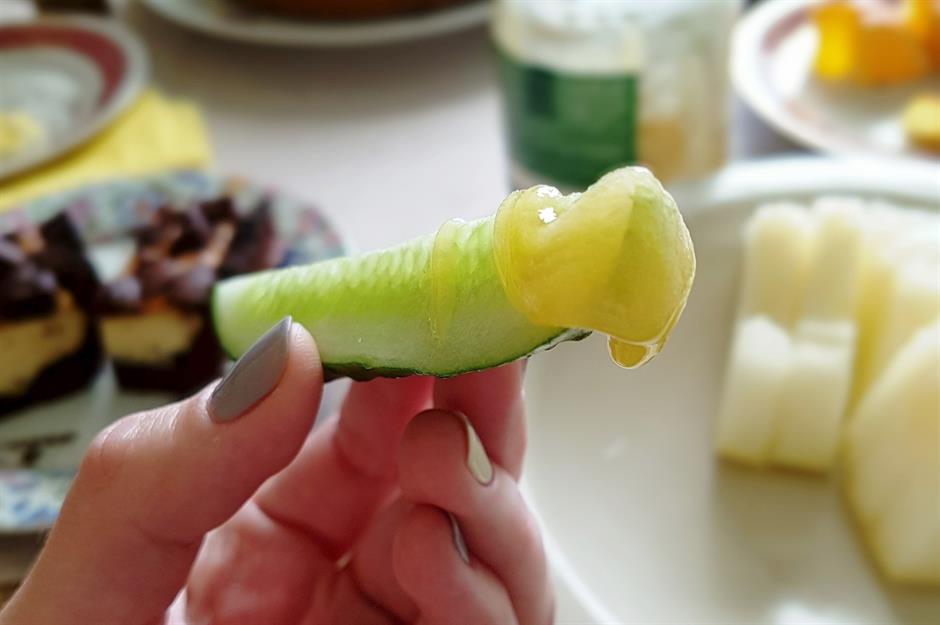
One of the most dramatic examples of flavor juxtaposition is the combination of sweet and savory. Cultures around the world embrace this dynamic to elevate simple dishes into iconic bites.
Take, for example, Moroccan lamb with prunes. The natural sweetness of dried fruit softens the gamey intensity of lamb, creating a balance that feels luxurious yet grounded. In a similar fashion, Hawaiian pizza, though divisive, owes its staying power to this very equation: salty ham, melty cheese, and juicy pineapple.
In Thailand, the sweetness of palm sugar often mingles with the brininess of fish sauce. A green papaya salad becomes a riot of flavor not just because of its heat, but because its popping flavor pairings bridge the gap between extremes. It shocks, seduces, and lingers—just like good cuisine should.
Acid as the Secret Weapon
While acid may seem like a background player, in reality, it’s the star of countless flavor profiles across the globe.
Consider ceviche from Peru. Raw fish is “cooked” in citrus juice, which brightens and enhances its natural sweetness while cutting through fat. Likewise, Vietnamese pho isn’t complete without a generous squeeze of lime. The sharp citrus bite awakens every note in the broth, from umami-rich beef to star anise and cinnamon.
Acid is also foundational in Ethiopian cuisine. Injera, the spongy fermented flatbread, adds a tangy contrast to richly spiced stews like doro wat. This kind of interplay is where popping flavor pairings shine—they take complexity and make it sing.
Spice and Dairy: The Cooling Counterbalance
Spices are incendiary, but dairy knows how to tame the flame.
In Indian cuisine, this duality is a hallmark. Fiery vindaloo might melt your face, but a dollop of cooling raita rescues the tongue. Turkish döner wraps often include yogurt-based sauces that offset the bold spices of grilled meats. In Mexico, the intense punch of chili-laced mole is soothed by a blanket of crema or queso fresco.
This is not just comfort—it’s strategy. Spices open up the senses, while dairy steadies the ship. When combined, they produce popping flavor pairings that feel like both a dare and a lullaby.
Salt and Sour: Street Food’s Love Affair
Salt and sour are the rebels of the flavor world. When united, they spark a ferocious chemistry that’s found in street food scenes from Manila to Marrakech.
Filipino sinigang, for instance, is a tamarind-based soup brimming with savory pork or shrimp. The sourness cuts the richness like a knife, making the dish crave-worthy without being overwhelming. In the Caribbean, escovitch fish—fried fish doused in a vinegar-spiked pepper sauce—delivers a slap of brightness and depth.
In these dishes, popping flavor pairings don’t whisper. They shout. They demand your attention. And they reward you with satisfaction that’s as electric as it is elemental.
The Umami Trinity: Fermented, Aged, and Roasted
Umami is often described as the “fifth taste,” but in truth, it’s the backbone of craveable food. When chefs layer fermented, aged, and roasted elements, they unlock culinary sorcery.
Japanese miso soup exemplifies this synergy. The fermented miso paste mingles with dried seaweed and aged bonito flakes, creating a broth that hums with depth. Likewise, Korean kimchi fried rice is a masterclass in umami overload—fermented cabbage, toasted sesame oil, aged soy sauce, and a fried egg come together in seismic harmony.
Western cuisines play in this space too. Aged cheddar on a roast beef sandwich, or truffle oil over a seared mushroom risotto, is no accident. These are popping flavor pairings engineered to seduce the umami receptors and keep you coming back.
Fruit and Fire: The Unexpected Soulmates
It may sound counterintuitive, but fruit and spice are best friends across many world cuisines.
Mango with chili salt in Mexico. Pineapple curry in Thailand. Grilled peaches with black pepper in the American South. These combinations tickle the senses because the sweetness of the fruit enhances the heat, not dulls it. The result is a flavor crescendo that feels both indulgent and invigorating.
In West African cuisine, suya—a spicy meat skewer—is often served with sliced onions and tomatoes. But add a bite of grilled plantain, and the flavor becomes multidimensional. These are the kinds of popping flavor pairings that feel like culinary rebellion and revelation rolled into one.
Bitter for Balance
Bitterness is an often misunderstood flavor, yet when balanced correctly, it adds sophistication and depth.
Think of radicchio in an Italian salad, countered by sweet balsamic reduction. Or the bitter snap of fenugreek in an Indian curry, harmonized by ghee and cumin. Chinese cuisine embraces bitter melon, usually sautéed with garlic and soy, often paired with rich pork belly to mellow its assertiveness.
Bitterness can act as a palate cleanser or a bridge between flavors. In the right hands, it becomes part of a daring ensemble—another instrument in the symphony of popping flavor pairings that elevate everyday meals into something legendary.
Nuts and Heat: Textural Harmony
It’s not all about flavor—texture plays a critical role in the pairing equation.
In Middle Eastern cuisine, crushed pistachios or pine nuts often top spicy lamb dishes. In Thai cooking, peanuts add crunch and contrast to tangy, spicy noodle bowls. African groundnut stews combine creamy peanuts with smoky chilies and earthy vegetables for a pairing that’s both soothing and exhilarating.
Here, the nuttiness doesn’t merely decorate—it anchors. Combined with heat, it gives dishes a dual appeal: smoothness for comfort, crunch for curiosity. Thus, these textural contrasts become part of what defines popping flavor pairings in a tactile, satisfying way.
Creamy and Bright: Elevating Comfort
Silky and zesty can sound like opposites. Yet together, they craft dishes that feel indulgent without being cloying.
Take Peruvian causa—a chilled potato terrine layered with avocado, mayonnaise, and citrusy seafood salad. Or Lebanese labneh with zhoug: thick, creamy yogurt paired with a punchy green chili herb sauce. Even in Japanese cuisine, you’ll find tonkatsu served with a tart pickled daikon or cabbage salad to cut through the luscious, crispy pork.
These bright elements don’t just freshen—they focus. They make creamy textures sing instead of slump. And they exemplify how popping flavor pairings are not always loud—they can whisper their brilliance, too.
Coffee and Citrus: Morning’s Most Underrated Duo
Let’s step into the world of beverages for a moment, where unusual pairings can be just as transformative.
Ethiopian coffee, with its natural citrus notes, is often paired with lemon or orange zest in both traditional and modern presentations. In Italy, espresso with a twist of lemon peel is not just aesthetic—it sharpens the richness and adds a sparkle to the experience.
These additions don’t overpower—they elevate. They offer a revelation with every sip, another reminder that popping flavor pairings thrive when boundaries are blurred and norms are challenged.
Fusion Done Right: A Global Conversation
Culinary fusion, when done carelessly, can feel gimmicky. But when it’s intentional and rooted in respect, it becomes a powerful form of flavor diplomacy.
Korean-Mexican tacos combine bulgogi beef with salsa and kimchi, proving that fermentation and spice need no passport. Japanese-Peruvian Nikkei cuisine features sashimi dressed in aji amarillo or yuzu, blending the oceanic purity of Japan with the fire of South America.
Such collaborations do more than taste good. They tell stories of migration, adaptation, and innovation. They embody the spirit of popping flavor pairings—pairings that don’t just pop off the plate, but off the page of history itself.
The Final Course: Dessert That Defies Expectations
The world of dessert isn’t exempt from adventurous pairings.
Indian kulfi infused with cardamom and rose syrup. French chocolate with sea salt and olive oil. Filipino halo-halo, an icy sundae with sweet beans, coconut, jellies, and flan, all crowned with purple yam. These aren’t your standard confections—they’re cultural epics in a bowl or on a spoon.
Even Western bakers are joining the game. Miso caramel brownies. Wasabi dark chocolate truffles. These creations don’t play it safe—they delight precisely because they dare.
Indeed, popping flavor pairings aren’t confined to savory realms—they flourish where sugar meets spice, or richness collides with restraint.
In a world increasingly shaped by sameness, bold pairings offer liberation. They teach us that flavor isn’t fixed. It’s fluid, nuanced, alive. When we dare to mix what tradition keeps apart—or even what instinct tells us to resist—we open ourselves to experiences that transcend taste.
The best popping flavor pairings don’t just satisfy hunger. They ignite imagination. They provoke dialogue. They create moments of bliss where nothing else exists but that one bite.
So, the next time you stand in front of your pantry or a global menu, choose boldness. Choose contrast. Choose the pop.
Your tastebuds—and your curiosity—will thank you.