

World Cuisine That Breaks the Rules not all culinary traditions were meant to be followed. Some were meant to be challenged—twisted, fused, and flipped on their heads. Across the globe, a new breed of daring chefs and home cooks are rebelling against the “shoulds” and “musts” of traditional foodways. They blend regions, upend recipes, and ignore conventions. The result? Rulebreaking world cuisine that’s fearless, imaginative, and wildly delicious.
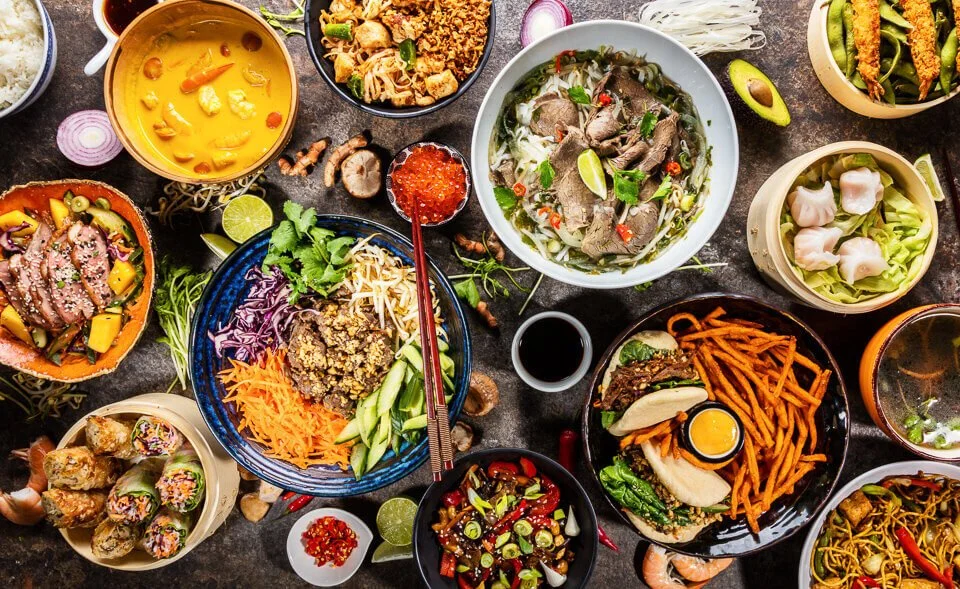
This isn’t about disrespect. It’s about innovation. And food, at its core, has always evolved through experimentation, trade, migration, and necessity. Today’s kitchen rebels are the next chapter in that ever-turning story.
When Borders Blur, Flavor Explodes
Fusion cuisine used to have a bad reputation—often seen as gimmicky or confused. But when executed with thought and flair, it becomes a bold act of culinary diplomacy. Imagine a ramen burger, with soy-glazed beef patties cradled between crispy noodle “buns.” Or sushi burritos, where nori and sticky rice wrap bold fillings like kimchi, jalapeño tuna, and avocado.
These mashups are more than trendy bites. They are emblematic of rulebreaking world cuisine—food that shrugs off the borders on a map and lets flavor lead.
One must-try? The Korean-Italian Gochujang Bolognese. Tomato meets fermented heat in a silky sauce that hugs thick strands of fresh pasta. It shouldn’t work. Yet it sings.
Traditions Rewired, Not Erased
In many parts of the world, ancient recipes are being updated—not abandoned. Take Nigerian jollof rice, traditionally made with tomatoes, onions, and Scotch bonnet peppers. In modern kitchens, chefs are adding unexpected notes: roasted plantains folded into the rice, or coconut milk in the simmering base for a gentler bite.
Similarly, Peru’s iconic ceviche—raw fish cured in citrus—is being transformed with mango juice, yuzu, or even kombucha, offering a new dimension of acid and aroma. The dish remains true to its spirit while adapting to modern tastes and ingredients.
This, too, is rulebreaking world cuisine: preserving soul while playing with structure.
Plants Take the Lead
Vegan cuisine, once dismissed as bland or restrictive, has become a playground for culinary rebellion. Chefs are using vegetables not just as substitutes but as stars.
Picture jackfruit tacos with tamarind glaze and pickled red cabbage. Or eggplant “scallops” with seaweed butter on a bed of millet risotto.
In Tel Aviv, shawarma isn’t always meat—it’s roasted cauliflower marinated in baharat, then shaved and piled into pita with preserved lemon and tahini.
By shifting focus from mimicry to mastery, plant-based cooking has claimed its place in the pantheon of rulebreaking world cuisine.
Desserts Defying Description
Pastry chefs are perhaps the most audacious in their rule-breaking efforts. From savory-sweet crossovers to cultural hybrids, dessert is no longer sugar’s sole domain.
Consider the miso caramel tart—where umami meets sweetness in perfect balance. Or black garlic brownies that play with depth and funk. There’s also Thai tea crème brûlée, where spiced condensed milk lends the custard an orange hue and nostalgic taste.
In Mexico City, there’s a rising love for corn-based sweets: tamale-flavored ice cream, elote cheesecake, and even nixtamalized pie crusts. These new classics challenge what dessert should be while embracing the roots of culinary heritage.
Every bite of these experimental sweets speaks the language of rulebreaking world cuisine.
Street Food Reimagined
Street food has long been a canvas for experimentation. Because it’s fast, affordable, and close to the people, it’s often the first place you’ll see traditions bent with creative joy.
In Bangkok, vendors are stuffing bao with Thai green curry chicken. In New York, you’ll find birria pizza—a saucy, cheesy mashup with consommé on the side for dipping. Meanwhile, Vietnamese bánh mì sandwiches are going global with fillings like jerk chicken, falafel, or teriyaki beef.
Take Turkish kumpir (stuffed baked potatoes). In its new form, it’s topped with everything from bulgogi to roasted beet hummus.
These aren’t flukes. They are thoughtful fusions, born from both hustle and hunger. Each one a tasty protest in the name of rulebreaking world cuisine.
Techniques From a Different Toolbox
Rule-breaking isn’t always about what’s on the plate. Sometimes it’s how the dish gets there.
Traditional sous-vide methods—once reserved for haute French cuisine—are now being used to cook lamb biryani or Chinese char siu, resulting in tenderness without the risk of overcooking.
Dehydrators, blowtorches, smoking guns, and centrifuges are finding their way into everyday kitchens. Imagine a rehydrated coconut noodle soaked in chili oil, or a pressure-infused pickled mango used as a tartare garnish.
Fermentation is also having a revival—not just in kombucha and kimchi, but in completely novel applications: fermented pineapple as glaze, blackened garlic in ramen carbonara, and koji used to age butter.
These cutting-edge methods fuel the alchemy behind modern rulebreaking world cuisine.
Forgotten Dishes Brought Back to Life—With a Twist
Some of the most exciting dishes come from forgotten archives. Traditional recipes that time left behind—until today’s innovators gave them a twist.
Take English pease pudding. Once a staple, now transformed into a silky vegan spread served on rye with beetroot pickles and fried capers.
Or Mongolian boodog, historically cooked inside an animal’s carcass with hot stones. Now, chefs simulate the technique with sous-vide meats and smoked aromatics in clay pots.
In the Caribbean, breadfruit has been reinvented in gnocchi, and old-school coconut rundown stew becomes the base of ramen broth.
This revivalism-with-edge is the heart of rulebreaking world cuisine—where reverence for the past meets the pulse of the future.
Breakfast Like You’ve Never Seen It
Why should breakfast always be eggs, toast, or cereal?
Across the globe, breakfast is undergoing a full-blown reinvention. In Tokyo, some cafes are offering natto pancakes. In Berlin, avocado toast gets dressed in za’atar, pomegranate, and labneh. Meanwhile, Colombian arepas are getting spiked with cheddar and jalapeños and topped with fried eggs and chipotle mayo.
Even classic American pancakes are getting the remix—think ube-infused batter with miso-maple syrup and crispy tempura bacon on the side.
This first-meal rebellion speaks to the freedom and creativity of rulebreaking world cuisine—starting the day off with something that surprises, delights, and dares.
The Role of the Unexpected Ingredient
Perhaps the most subversive trend in modern cuisine is the rise of the unexpected—an ingredient that doesn’t belong, yet elevates everything.
Blue cheese in gelato. Kimchi in quesadillas. Wasabi in mashed potatoes. Curry leaves in cocktails.
Used thoughtfully, these curveballs don’t just shock; they transform. They force the diner to slow down, reassess, and engage with the plate more fully.
This technique-driven mischief is a hallmark of rulebreaking world cuisine, where boundaries blur and culinary norms are rewritten in real time.
Cultural Integrity vs. Creative Freedom
Of course, fusion has its critics. The conversation around cultural appropriation in food is valid, important, and ongoing. However, innovation and respect are not mutually exclusive.
When a dish honors its roots—while still evolving—it becomes a bridge, not a bulldozer. Many chefs now choose to tell stories with their fusions: personal histories, diasporic identities, and cross-cultural journeys.
A Palestinian-Japanese chef blending za’atar and shiso. A Nigerian-American cook serving Egusi ramen. A Colombian baker using cassava to reimagine French pâte à choux.
These aren’t stunts. They’re deeply human acts of creativity. And that’s where rulebreaking world cuisine finds its most powerful voice—not just in how it defies tradition, but in how it creates connection.
Food has always evolved. From fire pits to fermentation, from spice trade to Instagram, it’s a living art form that thrives on change. The rule-breakers are simply the latest wave of innovation—pushing boundaries, remixing ingredients, and questioning the “right way” to cook and eat.
Whether it’s a five-star reimagining of humble street food or a homemade meal blending grandmother’s recipe with something new, these culinary rebels are creating more than just plates of food.
They’re crafting stories. Narratives of risk, reinvention, and resistance. Plates that shout, whisper, and sometimes even sing.
Welcome to the age of rulebreaking world cuisine—where creativity knows no borders, and the only rule is to keep exploring.