

World Cuisine that Heals the Soul across continents and centuries, humans have turned to food not merely as sustenance but as remedy, ritual, and remembrance. More than just nourishment for the body, cuisine—when steeped in tradition and prepared with intention—can be deeply therapeutic. It holds the power to comfort, to reconnect, and to rejuvenate. From brothy bowls passed down through generations to slow-cooked stews rich in cultural symbolism, soul-healing cuisine transcends taste to touch something far more primal: the need to feel whole.
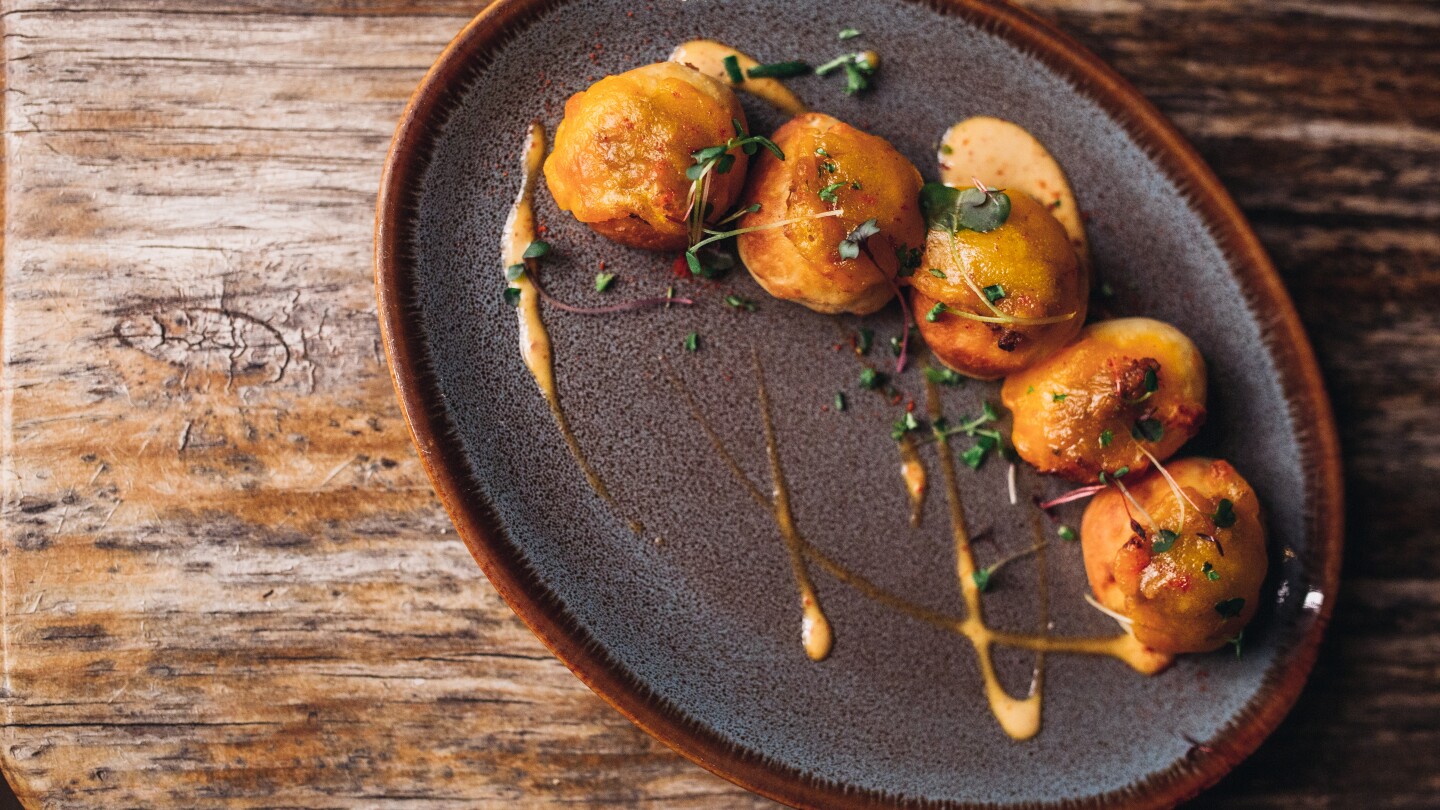
Japan: The Quiet Strength of Balance
In Japan, harmony is not just aesthetic—it’s edible. The philosophy of washoku governs much of traditional Japanese cuisine, emphasizing seasonal ingredients, balance of colors, and mindful presentation. Meals like ozoni, a delicate soup made with mochi, root vegetables, and dashi, are commonly consumed during the New Year, symbolizing prosperity and longevity.
Furthermore, okayu, a rice porridge, is often served to the unwell—not just for its digestibility but for its emotional familiarity. Its warm, starchy simplicity brings clarity and quietude. Steamed, stewed, and lightly seasoned, these dishes prioritize inner peace. Through its simplicity and restraint, Japanese food stands as a masterclass in soul-healing cuisine.
Mexico: Where Flavor Meets Family
Mexican cuisine is bold and unapologetically layered. However, it is the emotional context behind many of its dishes that gives them their healing power. Pozole, a hominy and meat stew, is served at gatherings and special occasions. Its deep flavors—infused with garlic, chilies, and oregano—symbolize familial unity and ancestral memory.
Even the humble tamale, wrapped in corn husk and steamed to perfection, carries generations of storytelling within its folds. Passed around during holidays, births, and wakes, it represents continuity. When shared, it becomes more than a meal—it’s a communal balm for grief, joy, or transition. In every simmering pot or handmade tortilla, soul-healing cuisine reaffirms cultural identity and emotional resilience.
India: Spices as Sacred Therapy
India’s culinary landscape is vast and diverse. Yet one thread remains constant: food is medicine. Rooted in the ancient science of Ayurveda, many traditional Indian dishes aim to restore equilibrium among the body’s doshas (energetic principles). A bowl of khichdi, a comforting mix of lentils and rice seasoned with turmeric and ghee, is a staple during recovery or spiritual fasting.
Similarly, turmeric milk—known today as “golden milk”—has been consumed for centuries to fight inflammation and calm the nerves. Then there’s rasam, a tangy tomato and tamarind broth enriched with spices like black pepper and cumin, often served to those feeling under the weather.
Not only do these preparations offer physical benefits, but they also carry spiritual weight. When served with care, they epitomize soul-healing cuisine that speaks through both aroma and intention.
Italy: Comfort in Every Carb
Few cuisines comfort as thoroughly as Italian. Whether it’s a bubbling dish of lasagna or a slow-stirred pot of risotto, Italian food envelops the eater like a warm embrace. Meals are often unrushed and communal, designed to foster connection and gratitude.
Pasta e fagioli, a rustic bean and pasta soup, is a classic example of cucina povera, or “poor kitchen” cooking—dishes born of frugality that now symbolize nourishment in its most heartfelt form. Bread, olive oil, and aged cheese are not just ingredients—they are cultural icons of hospitality and solace.
Moreover, the act of cooking itself—kneading dough, simmering sauces—becomes meditative. In Italy, where love is measured in ladles and servings, food acts as a restorative force. This is soul-healing cuisine built from flour, fire, and feeling.
South Korea: Fermented Fortitude
Korean cuisine brims with bold flavors, but it is also deeply medicinal. Samgyetang, a ginseng chicken soup served in summer to combat fatigue, is more than a seasonal meal—it’s a tradition rooted in balancing energy during hot, draining months.
At the heart of Korean food lies kimchi, a fermented marvel of cabbage, garlic, and chili that supports digestion and immunity. Although fiery on the tongue, it represents longevity and resilience. Meals often revolve around balance: spicy and soothing, raw and cooked, heavy and light.
Indeed, healing in the Korean context comes from contrast. Through intentional fermenting, pickling, and brothing, Korean dishes provide both physical and emotional armor. Without question, these plates reflect a philosophy of wellness embedded in soul-healing cuisine.
Morocco: Aromatics That Awaken the Spirit
In Morocco, spices do not merely flavor food—they evoke history, spirituality, and health. Harira, a tomato and lentil soup, is traditionally served to break the Ramadan fast. Rich in protein and seasoned with cinnamon, turmeric, and cilantro, it reawakens the body with gentle depth.
Likewise, tangia, a slow-cooked lamb stew simmered in clay pots, is often prepared communally and shared among friends. Infused with preserved lemon, garlic, and saffron, it transforms humble ingredients into something transcendent.
Even a cup of mint tea, poured from height and served sweet, becomes a healing gesture. It invites conversation, reflection, and calm. Moroccan food is a sensory sanctuary—complex yet grounding. In every aromatic puff of steam is the essence of soul-healing cuisine.
Vietnam: Clean, Clear, and Comforting
Vietnamese cuisine specializes in clarity and freshness. Few dishes demonstrate this better than pho, a slow-simmered beef or chicken broth filled with rice noodles, herbs, and meat. Served with lime, chili, and bean sprouts, it offers a customizable healing experience tailored to one’s immediate needs—be it warmth, spice, or acidity.
Congee, or rice porridge, is another example—offered to the unwell or elderly. It is often flavored with ginger, scallions, or a splash of fish sauce, nurturing both palate and digestive system alike.
Thus, these dishes require patience in preparation and attentiveness in consumption. They restore through balance and subtlety. Without artifice or excess, Vietnamese food provides a quiet path back to wholeness—definitively marking it as soul-healing cuisine.
Jamaica: Roots That Ground and Revive
Jamaican food is known for its bold heat and deep soul. Yet behind the fiery jerk seasoning and aromatic curries lies a foundation of grounding ingredients: yams, plantains, cassava, and callaloo. These root vegetables are often boiled, mashed, or stewed, becoming nutrient-dense staples in the Jamaican diet.
Pepperpot soup, infused with callaloo, salted meats, and spices, is both fortifying and detoxifying. Cornmeal porridge, laced with cinnamon, nutmeg, and condensed milk, is offered to children and convalescents alike.
Healing here is rhythmic and ancestral. Meals evoke the memory of soil, sun, and ceremony. With every bite of earth-bound sustenance, Jamaican cuisine reminds us of the restorative power of origin—a defining aspect of soul-healing cuisine.
Ethiopia: Ritual Meets Recovery
In Ethiopia, eating is a sacred act. Shared from a single mesob (woven basket table), meals emphasize communal healing and spiritual grounding. Injera, a spongy sourdough flatbread, acts as both plate and utensil, scooping up lentils, stews, and spiced vegetables in tactile communion.
Additionally, shiro wat, a chickpea stew thickened with garlic, onions, and berbere spice, is as nurturing as it is flavorful. Meanwhile, the coffee ceremony—grinding beans, roasting, and brewing in real time—is a meditative ritual that slows the soul and stirs reflection.
Here, the sacred and the savory are inseparable. Every bite is rooted in memory, ritual, and unity—hallmarks of deeply resonant soul-healing cuisine.
United States: The Therapy of Nostalgia
Although modern American food often gets labeled as fast or industrialized, its regional roots offer potent emotional remedies. Chicken and dumplings, meatloaf, and cornbread represent comfort, stability, and maternal affection for many.
In the South, collard greens, cooked low and slow with smoked meat, deliver not only flavor but heritage. Similarly, macaroni and cheese—though widely commercialized—can still be a powerful vessel of warmth when baked from scratch and shared in generous servings.
Meanwhile, in immigrant communities across the U.S., traditional recipes are preserved as lifelines to cultural identity. From matzo ball soup to congee to pozole, the U.S. table is rich with global influence and emotional resonance. At its best, American food becomes a mosaic of recovery. This too is soul-healing cuisine, born from survival, reinvention, and love.
To eat is to live, but to heal through food is something sacred. In every culture, there are recipes that transcend the material. They are whispered from grandparents, passed through worn cookbooks, or taught through shared hands over simmering pots. These meals—these traditions—do more than fill the belly.
They ease grief, restore energy, calm the mind, and center the spirit.
Ultimately, soul-healing cuisine isn’t found in ingredients alone. It’s discovered in the stories we share, the rituals we preserve, and the care we give in preparing food for others. Whether it’s a warm bowl of broth in winter or a sweet porridge on a quiet morning, these dishes remind us: food is the oldest medicine, and healing often begins at the table.