

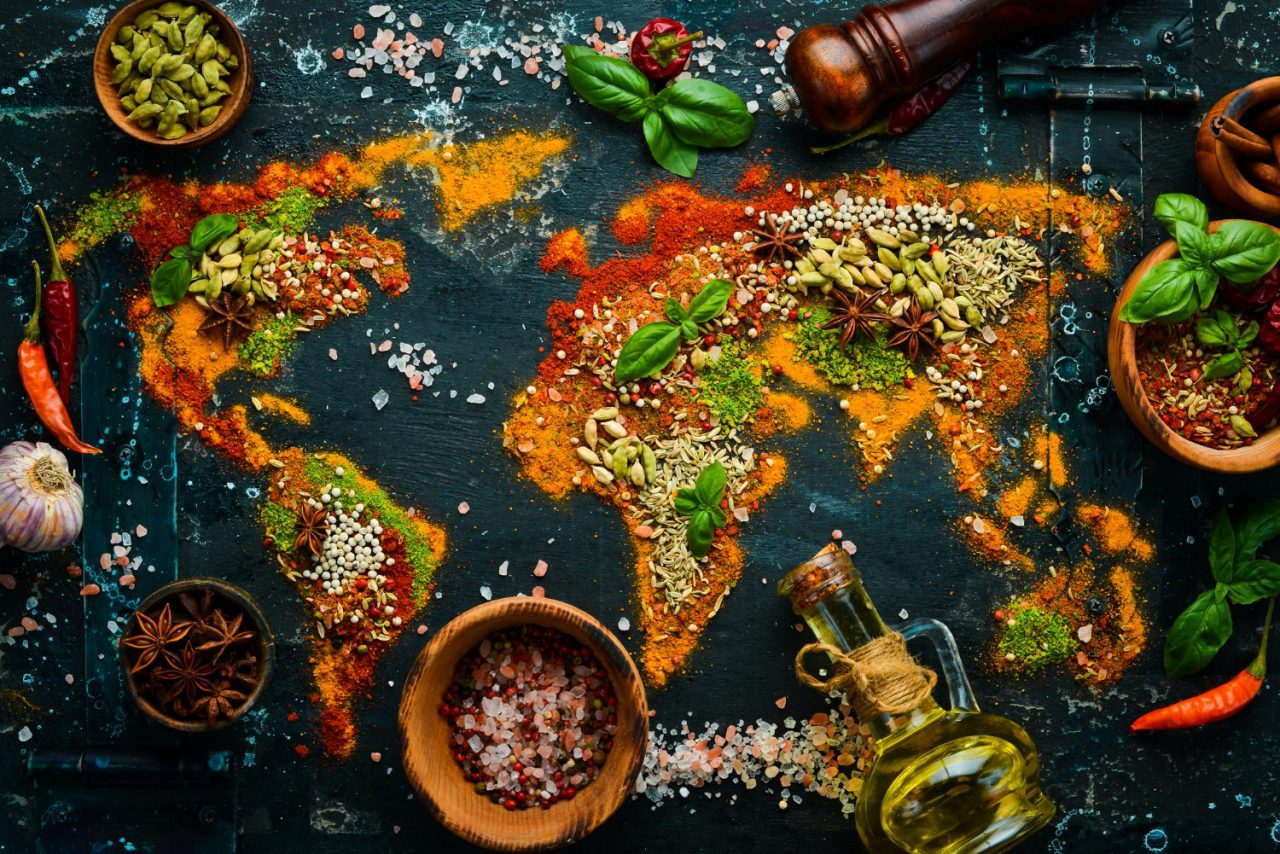
World Cuisine Ingredients You Overlook in every corner of the culinary world, there are ingredients that hide in plain sight—humble, unglamorous, and frequently ignored. These are not the headline acts that dominate menus or inspire food documentaries. Yet they are essential. They are quiet game-changers. From pungent roots to obscure grains, fermented pastes to curious herbs, these overlooked ingredients possess the power to deepen flavor, unlock nostalgia, and rewrite how we think about global cuisine.
Forgotten Staples With Cultural Significance
Culinary traditions across the world often rely on ingredients that rarely appear in glossy cookbooks. In Ethiopia, teff—a tiny, iron-rich grain—is the backbone of injera, the spongy fermented flatbread that anchors meals. It may be small in size, but its nutritional punch and cultural weight are monumental.
Similarly, amaranth, once considered a weed, has been a sacred grain for the Aztecs. It’s rich in protein and used in sweets like alegría as well as savory porridges. Still, outside of Latin America, it’s often relegated to the “health food” aisle, never quite given its culinary due.
These are the first of many overlooked ingredients—foods tied deeply to land, heritage, and tradition, yet consistently undervalued.
Southeast Asia’s Hidden Gems
Wander through a Southeast Asian wet market and you’ll encounter baskets of strange, wonderful produce. Yet so many remain uncelebrated globally.
Take torch ginger flower (bunga kantan). Used in Malaysian laksa and Nyonya dishes, its floral, citrusy notes add an aromatic elegance that lemongrass alone can’t match. However, it’s often omitted in Westernized versions of these dishes—stripping them of their depth.
Then there’s kencur, a rhizome native to Indonesia and parts of Thailand. Related to galangal and ginger, its flavor is peppery, pungent, and medicinal. Used in jamu (traditional Indonesian tonics) and spice pastes, it’s an irreplaceable note in regional cooking that’s barely recognized outside the archipelago.
These are prime examples of overlooked ingredients—botanical jewels that are indispensable locally, yet virtually anonymous on the world stage.
West African Powerhouses
West African cuisine is rising in global recognition, but its foundational ingredients are still catching up.
One such staple is egusi—the ground seeds of a type of melon. Rich in fats and protein, it thickens soups and stews, particularly in Nigerian and Ghanaian kitchens. The resulting dishes are earthy, satisfying, and culturally layered.
Another underrated marvel is locust bean (iru or dawadawa), a fermented ingredient with a potent aroma and deep umami flavor. Similar to miso or fish sauce in function, it’s critical in traditional dishes like Yoruba egusi soup or Ghanaian kontomire stew. Yet due to its strong scent and lack of global packaging, it rarely crosses culinary borders.
Despite their depth and versatility, these overlooked ingredients remain footnotes in African food narratives—when they should be centerpieces.
European Flavors That Stay Local
Even within Europe—often thought to be fully explored gastronomically—there lie hidden treasures.
In Sardinia, bottarga (salted, cured fish roe) is grated over pasta, adding intense brininess and a whisper of the sea. Despite its ancestral roots and rich flavor, it’s overshadowed by more familiar toppings like Parmesan.
Meanwhile, in Eastern Europe, sour cherry leaves are used to ferment pickles and enhance their crispness. The leaves themselves are not eaten, but their inclusion affects flavor and texture in a way modern food science is only beginning to appreciate.
These are the subtle, nuanced overlooked ingredients that require familiarity and patience—but reward with layers of character that no seasoning blend could replicate.
Latin America’s Quiet Stars
Latin American cuisine is vibrant and bold, yet even within it, some stars go unsung.
Take achiote (annatto seed). Ground and mixed with spices, it becomes a vivid red paste used in Yucatán’s cochinita pibil and other traditional dishes. It imparts earthiness and color, but is frequently replaced by paprika or skipped altogether in Western recipes.
Then there’s huacatay—also called Peruvian black mint. With notes of basil, mint, and citrus, it’s used in ocopa sauce and marinades for Andean meats. Despite its depth, it’s almost entirely absent from Peruvian restaurants abroad.
These ingredients, rich in terroir and identity, remain hidden because they challenge conventional flavor expectations. Yet they are exactly the kind of overlooked ingredients that define what authenticity really means.
The Middle East’s Culinary Backbone
Middle Eastern flavors have captivated global palates, but many foundational elements still go unnoticed.
Pomegranate molasses, for instance, is a tart-sweet syrup that elevates stews, marinades, and even drinks. It brings balance to heavy meats and brightness to grain salads, but too often it’s mistaken for a trendy drizzle rather than a legacy ingredient.
Another lesser-known gem is fenugreek leaves (methi). Distinct from the seeds used in Indian curries, the dried leaves impart a bitter, nutty, almost maple-like note. They’re used in Persian ghormeh sabzi and Turkish spinach dishes, yet are rare finds outside specialty markets.
These overlooked ingredients quietly carry centuries of culinary wisdom—and once tasted, they rarely leave your pantry again.
Forgotten Proteins and Fungi
Beyond herbs and spices, entire categories of protein and fungi remain in the culinary shadows.
In Japan, shio koji—a fermented rice and enzyme paste—acts as a powerful meat tenderizer and flavor booster. It imparts umami while preserving moisture, yet many outside Asia haven’t discovered its magic.
Then there are mushrooms like wood ear and enoki, common in East Asian soups and stir-fries. Their textures are wildly distinct—crunchy and silky, respectively—but they’re often replaced with button mushrooms, losing the intended contrast.
Among the most enigmatic proteins is blood. In dishes like Filipino dinuguan or Spanish morcilla, it’s treated with culinary respect, lending deep mineral notes and lush thickness. However, cultural taboos and Western squeamishness push it to the margins.
These are the overlooked ingredients that don’t merely fill gaps—they bring identity and integrity to centuries-old preparations.
Rooted in Earth: Tubers and Greens
Leafy greens and root vegetables are often afterthoughts—but not everywhere.
In the Caribbean, callaloo (amaranth greens) is a staple that fuels soups, sautés, and stews. It’s iron-rich, flavorful, and culturally vital. Yet it’s frequently replaced with spinach in global versions, robbing dishes of their rightful vibrancy.
In the Pacific Islands, taro is both root and leaf. The root is boiled, mashed, or fried, while the leaves are wrapped around proteins or simmered into coconut-rich sauces. Despite its versatility and long history, taro is often mislabeled as niche or exotic.
Meanwhile, in rural South Asia, drumstick leaves (moringa) are used for their slightly bitter edge and potent nutrition. These greens are packed with vitamins, yet are seen more as health food supplements than flavorful cooking staples.
Once again, these humble heroes fall into the category of overlooked ingredients, despite being vital threads in the fabric of global cooking.
Umami Enhancers: Beyond Soy Sauce
While soy sauce and miso get international love, other umami-packed ingredients wait in the wings.
Katsuobushi—dried, fermented bonito flakes—is a cornerstone of Japanese dashi, lending smoky depth that defines many iconic broths. Yet outside Japan, it’s frequently omitted or replaced with synthetic stocks.
In Southeast Asia, bagoong (fermented fish or shrimp paste) is a powerhouse of salt, funk, and richness. Used sparingly in Filipino and Thai cooking, it acts like a seasoning, deepening everything it touches. However, its strong smell often discourages unfamiliar cooks.
Even yeast extract spreads like Marmite and Vegemite, though polarizing, have unmatched umami potential in sauces and marinades.
They may be pungent or peculiar, but these overlooked ingredients are the secret weapons of savory depth.
A Future Rooted in Rediscovery
As global cuisines fuse and food media becomes more inclusive, the time has come to re-elevate these forgotten, undervalued, and misunderstood ingredients.
Chefs are already leading this shift. Indigenous ingredients like wattle seed in Australia, fonio in West Africa, and soursop in the Caribbean are appearing on fine dining menus. Cooking shows now explore marketplaces in Dhaka, Dakar, and Oaxaca instead of sticking to Paris and Tokyo.
Yet the real transformation happens at home—when the average cook dares to swap oregano for epazote, or embraces dried lime in stews instead of lemon zest.
By bringing these overlooked ingredients back into the conversation, we don’t just improve our meals—we honor the cultures, histories, and hands behind them.
The future of world cuisine is not only about discovering new flavors but about revaluing the ones we’ve ignored. The subtle herbs, the fermented depths, the regional grains—these aren’t novelties. They are necessities. They hold culinary wisdom that’s been silenced by homogenization and convenience.
To embrace overlooked ingredients is to cook with curiosity and reverence. It is to remember that flavor isn’t just in the final dish—it’s in the soil, the seed, the culture, and the care that brings it to the plate. In doing so, we turn everyday cooking into global celebration.